

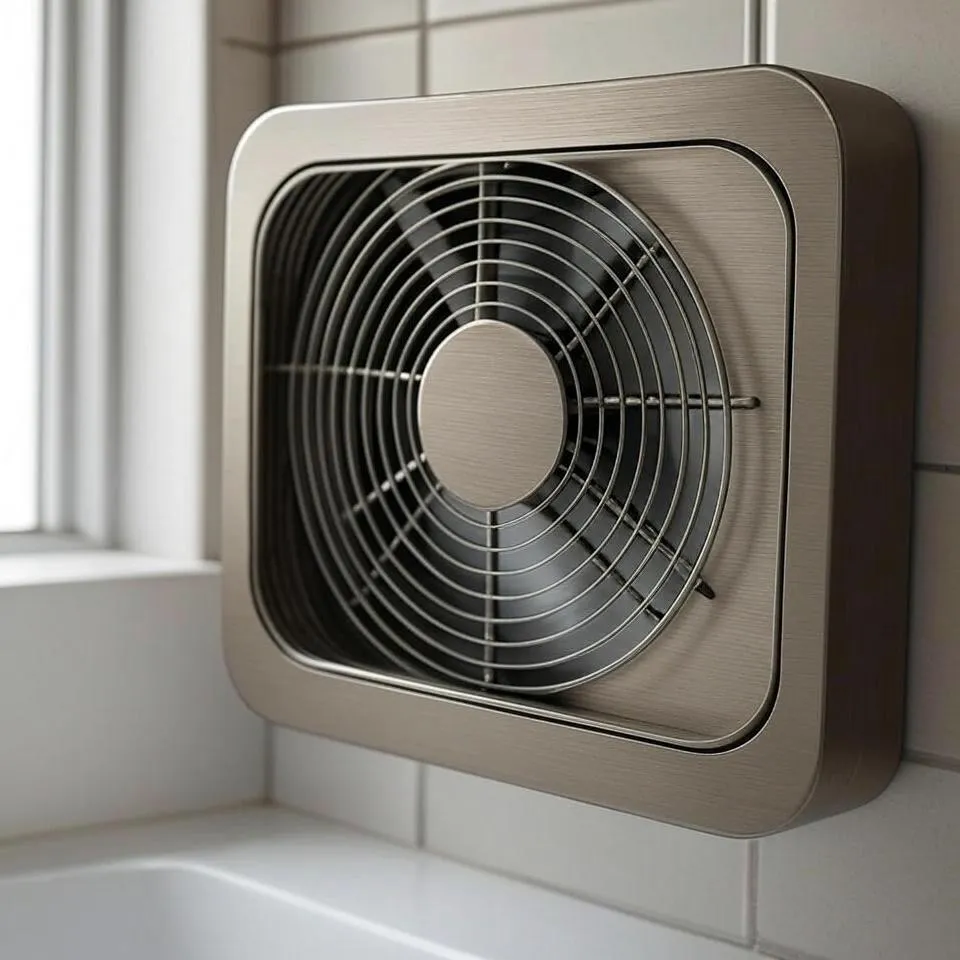
The Ultimate Guide to Bathroom Fans: Benefits, Types, and Installation Tips
Introduction
A bathroom fan is an essential yet often overlooked component of a healthy home. It removes excess moisture, prevents mold growth, eliminates odors, and improves indoor air quality. Whether you’re renovating or simply upgrading your bathroom, choosing the right fan can make a big difference.
In this guide, we’ll cover:
✔ Why bathroom fans are necessary
✔ Different types of bathroom fans
✔ How to choose the best one for your needs
✔ Installation and maintenance tips
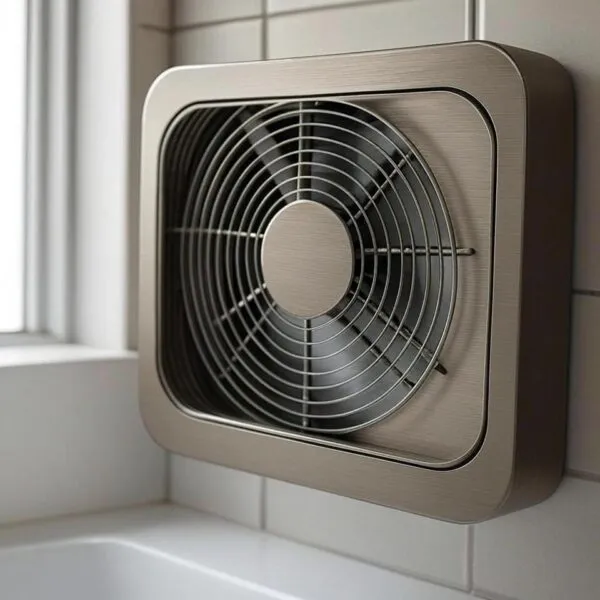
Why You Need a Bathroom Fan
1. Prevents Mold and Mildew
Bathrooms generate high humidity from showers and baths. Without proper ventilation, moisture builds up, leading to mold growth, peeling paint, and damaged walls. A bathroom fan helps expel damp air, protecting your home.
2. Eliminates Odors
A good fan quickly removes unpleasant smells, keeping your bathroom fresh.
3. Improves Air Quality
Steam, cleaning chemicals, and aerosols can linger in the air. A fan helps circulate and filter air, reducing respiratory irritants.
4. Protects Structural Integrity
Excess moisture can warp wood, stain ceilings, and damage drywall. Proper ventilation extends the lifespan of your bathroom.
Types of Bathroom Fans
| Type | Best For | Pros | Cons |
|---|---|---|---|
| Ceiling-Mounted | Standard bathrooms | Easy to install, affordable | May require ductwork |
| Wall-Mounted | Bathrooms without attic access | No ceiling cut needed | Less discreet |
| Inline (Ducted) | Large bathrooms, quiet operation | Powerful, hidden motor | Complex installation |
| Combination (Fan + Light/Heater) | Small bathrooms, added functionality | Multi-purpose, space-saving | Higher cost |
| Energy Star Rated | Eco-conscious homeowners | Lower energy bills, efficient | Slightly pricier |
How to Choose the Best Bathroom Fan
1. Check CFM (Cubic Feet per Minute) Rating
Small bathrooms (≤50 sq ft) → 50 CFM
Medium bathrooms (50-100 sq ft) → 80-100 CFM
Large bathrooms (100+ sq ft) → 100+ CFM
2. Consider Noise Level (Sones Rating)
<1.0 sones → Very quiet (whisper-level)
1.0-2.0 sones → Standard (light hum)
>2.0 sones → Noticeable noise
3. Look for Extra Features
Humidity sensors (auto-on when moisture is high)
Motion sensors (energy-saving)
Heater or LED light combos
Bathroom Fan Installation & Maintenance
Installation Tips
✔ Vent outside (never into an attic or crawl space)
✔ Use insulated ducting to prevent condensation
✔ Hire an electrician if unsure about wiring
Maintenance Guide
Clean the grille monthly (dust buildup reduces efficiency)
Check the fan motor yearly
Replace every 8-10 years (older fans lose power)
FAQs About Bathroom Fans
Q: How long should I run my bathroom fan?
A: At least 20-30 minutes after showering to fully remove moisture.
Q: Can I install a bathroom fan myself?
A: Yes, if you’re comfortable with electrical work. Otherwise, hire a professional.
Q: What’s the quietest bathroom fan?
A: Look for models under 0.5 sones (e.g., Panasonic WhisperGreen).
Conclusion
A bathroom fan is a small investment with big benefits—preventing mold, improving air quality, and protecting your home. Whether you need a basic exhaust fan or a high-tech model with smart sensors, choosing the right one ensures long-term comfort.
Ready to upgrade? Check energy-efficient models and breathe easier in your bathroom!
